Insights / Caregiving
The Caregiver's Second Emergency: Making Good Decisions When the Family Is Under Strain
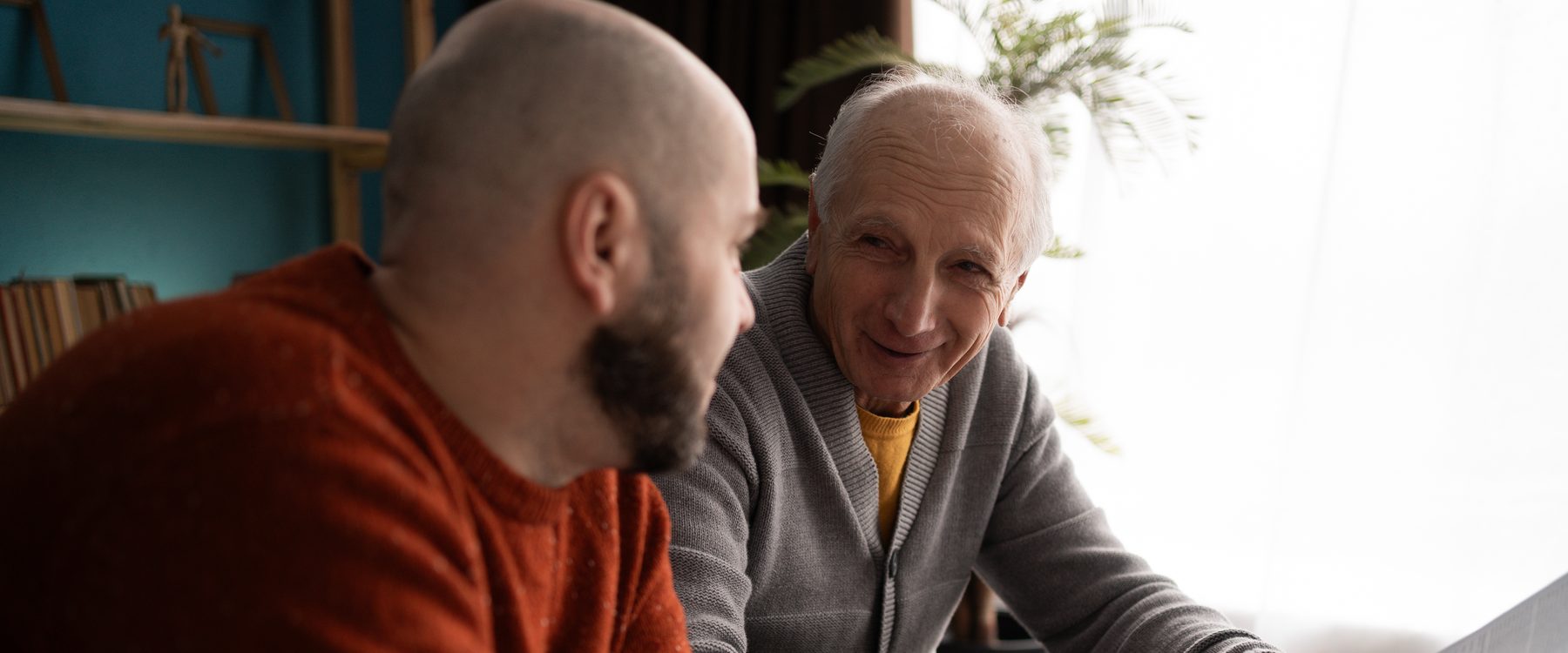
The work of caregiving is not simply physical. It is a stream of consequential decisions made by people who are often frightened, sleep-deprived and largely on their own. Supporting their judgment should be part of supporting their health.
By Dr. D. Ivan Young | November 2026
The family meeting often starts with a small question. Can Mom still live alone? Can we keep providing care at home? Who can take our child to the next appointment? When should we ask about hospice?
Then the small question opens onto everything else: money, exhaustion, old family disagreements, work schedules, fear and the wishes of the person who is ill. By the time a decision must be made, the people making it may have been running on four hours of sleep and weeks of unspoken worry.
Medicine has a name for the diagnosed patient. It has test results, care plans and treatment protocols. But the person who gives the medication, manages the bills, remembers what the specialist said and tries to keep the family together may be almost invisible.
That invisibility has a cost. Caregiving is also a judgment problem. When we fail to support the caregiver's ability to think, communicate and make informed choices, we create another source of risk for the whole household.
An enormous workforce with no reliable shift change
The National Alliance for Caregiving's Caregiving in the US 2025 report estimates that 63 million American adults provide ongoing care to older people, those with serious illnesses or people with disabilities. These are not all trained professionals. Many are spouses, adult children, parents and friends whose lives changed when someone else received a diagnosis.
Their responsibilities can be surprisingly technical. One day they are coordinating transportation. The next they are tracking symptoms, managing paperwork, preparing questions for a specialist or following detailed instructions for treatment at home. Often, they are also earning a living and managing their own health.
A family caregiver does not clock out at the end of a shift. The next urgent question can come at midnight. Worse, the people most affected by the decision may disagree about what the right decision is.
Consider three very different homes.
An aging parent with dementia. The adult daughter wants to preserve her father's independence. Her brother worries about another fall. Her father insists nothing is wrong. The NYU Langone Alzheimer's and Related Dementias Family Support Program emphasizes emotional support, education and practical consultation for families navigating these changes. Research described by the program finds improvements in caregiver well-being when practical and emotional support is available. The dispute is not simply about driving or home safety. It is about dignity, loss and trust.
A family after traumatic brain injury. A husband survives an accident, but memory, behavior or physical ability may not return as expected. His spouse becomes an advocate, organizer and source of daily assistance, even while she is grieving changes in their relationship. The Brain Injury Association of America's caregiver resources outline how injury can thrust relatives into complex roles involving medical care, finances and emotional support. The family needs more than optimism; it needs realistic information and a workable division of labor.
A child with cancer or another serious illness. Parents learn unfamiliar medical language while trying to protect their child's sense of being a child. Other children in the home still need attention. The American Cancer Society's guidance on self-care for cancer caregivers makes the point that eating, moving, recharging and connecting with supportive people are essential parts of the caregiving routine. A depleted parent still has to understand instructions and ask difficult questions.
Different diagnoses. The same overlooked fact: every patient is surrounded by people whose functioning matters, too.
Why a tired brain can make a bad day harder
In a serious health crisis, the body mobilizes to protect us. Faster threat-related systems help us respond to danger. Heart rate and vigilance may rise. Attention narrows toward whatever appears most urgent. This can be useful for a moment. It becomes a problem when every moment is treated as a crisis.
The prefrontal cortex is involved in weighing consequences, planning and regulating responses. A region within it, the dorsolateral prefrontal cortex, is particularly important for working memory and the ability to keep more than one possibility in mind. A Yale School of Medicine neuroscience review published in Biological Psychiatry describes how stress-related signaling can weaken the networks supporting this kind of thoughtful control.
That does not mean the caregiver's rational brain turns off, or that a breathing exercise automatically switches it back on. It means the conditions under which a decision is made matter. Prolonged alertness, interrupted sleep and emotional overload can make it harder to compare options or to notice an assumption that has gone unchallenged.
The familiar reactions follow: fight, when a disagreement becomes an argument; flight, when a phone call gets avoided; and freeze, when the family cannot settle on any next step. A fourth response often appears in caregiving: doing everything yourself because asking for help feels more frightening than continuing to carry it.
The practical objective is to reduce immediate alarm, widen attention and create room for deliberate reasoning. Name the emotion. Slow the pace. Write down what is known and what is only feared. Ask what decision must be made today, and what can wait. Then bring the relevant clinician into any medical choice.

A better decision process for the household
Families do not need another lecture about staying positive. They need a repeatable way to handle pressure.
First, put the facts in one place. Keep a care plan with medications, clinicians, emergency contacts, appointments, instructions, insurance details and the patient's stated preferences. The Centers for Disease Control and Prevention's guidance on creating a care plan explains how a shared record can improve coordination. Use an approved or secure method for storing medical information, and make sure the people who need it can find it.
Second, distinguish the urgent from the frightening. “I'm terrified Mom will fall” is an important feeling. “Mom fell twice this month” is a fact the care team needs. Both deserve attention, but they are not interchangeable. Ask the clinician which symptoms require immediate action, which require a same-day call and which can be monitored according to the treatment plan.
Third, give the patient a voice. Even when an illness limits capacity, the person's values, wishes and remaining ability to participate should not disappear. Ask what matters most to them. Discuss advance directives and decision-makers before a crisis when possible. Do not let a louder relative's fear become the entire plan.
Fourth, assign ownership. One person handles transportation. Another sends updates. Another watches the budget or prepares meals. If relatives cannot help in person, they may still be able to research benefits, coordinate scheduling or pay for occasional respite. A family meeting should end with names and dates, not just good intentions.
Fifth, create a pause before consequential conversations. If the family is exhausted and arguing, schedule a brief reset whenever it is safe to do so. Step outside, breathe slowly, drink water, write down the actual choice and ask one person to summarize the options. For emergency symptoms, act immediately according to the medical team's instructions. For nonurgent decisions, slowing down is often wise.
Sixth, bring in people whose job is to help. A physician addresses clinical choices. A social worker can help with services and discharge planning. A therapist or counselor can address mental health concerns and grief. A qualified health and wellness or executive coach may help with values, communication, accountability and the decisions surrounding the illness. A strong support system knows where one professional's role ends and another's begins.
Some caregivers need a different kind of support
A person who is naturally private may not want a group meeting, an endless stream of calls or a public account of every hospital visit. Introversion alone does not mean someone will suffer more, but a caregiver who restores energy through quiet time can be drained by the constant social demands of illness. Let that person choose a trusted contact, an occasional one-to-one conversation and protected solitude. Connection should be useful, not compulsory theater.
Another caregiver may have diabetes, chronic pain, a history of cancer or a disability of their own. We should not praise someone for ignoring a medical condition in order to manage another person's. They need their own appointments, medication routine, food, sleep and coverage when they cannot safely provide care.
Community matters here. Faith groups can arrange meals and rides. Trusted friends can handle chores. Neighbors can provide a few hours of company. Prayer, reflection and spiritual fellowship can remain essential sources of courage and meaning. Physical activity and good nutrition can support the caregiver's health and, when approved by the treating team, the patient's comfort and physical function. None of these practices should be presented as a substitute for medically indicated treatment or as a guarantee of recovery.
Where thoughtful technology belongs, and where it doesn't
Most digital tools are built to deliver an answer. Caregivers sometimes need a different service: a quiet place to prepare their own questions before they walk into a difficult conversation.
URIEL's caregiver experience is designed around that distinction. It helps a caregiver reflect on a stressful situation, examine possible blind spots and organize the considerations that belong in a decision. Its focused resources address aging parents and dementia, chronic or terminal illness and pediatric complex care.
Imagine a daughter confronting a disagreement about whether her mother should continue living at home. Rather than telling the daughter what to do, a useful reflective tool might ask: What has actually changed? What does your mother want? Which concern is medical, which is financial, and which comes from old family history? What does the treating team need to clarify?
That is the appropriate boundary. Digital reflection can help prepare a conversation, not select a treatment, interpret a medication order or replace professional medical judgment. Caregivers should also avoid putting identifiable patient information into a general-purpose tool unless they have carefully reviewed its privacy practices and permissions. We should measure any promised benefit against actual evidence, not confuse a plausible mechanism with proof of clinical results.
The part of self-care nobody can outsource
Sleep, meals and movement are not rewards to be earned after everyone else is comfortable. They are basic conditions for being able to continue. Protect them as deliberately as you protect appointment times.
Supplements are sometimes part of an individualized conversation about nutrition or sleep. For example, someone with inadequate magnesium intake may need dietary changes or supplementation; a clinician might discuss melatonin for a specific sleep-timing problem. Neither is a proven general remedy for caregiver stress, and neither belongs in a one-size-fits-all shopping list. The Food and Drug Administration's guidance explains why supplements can interact with medicines and are not approved for effectiveness before they go on sale. If you want to review products to discuss with your clinician, there is a personal Thorne dispensary curated by Dr. Young; that is an affiliated shopping link, not a treatment plan.

Better care begins by seeing the whole family
A family can do everything responsibly and still face an unwanted medical outcome. Supporting caregivers is not a promise of a cure. It is a decision to protect dignity, communication, health and human judgment while the family faces reality together.
The caregiver does not need to be fearless. Fear often comes with love. What they need is a system in which fear is heard without being allowed to make every decision. That system includes clinicians, relatives, friends, community, spiritual support and, when useful, experienced coaching and reflective technology.
The next time someone asks, “How is the patient?” ask a second question: “And how is the person caring for them?” That may be the question that keeps the household standing.
About the author
Dr. D. Ivan Young is an ICF Master Certified Coach, EMCC Master Practitioner and National Board Certified Health & Wellness Coach whose work draws on behavioral neuroscience, emotional intelligence and decision-making under pressure. His professional practice and personal experience with serious health challenges inform his interest in the often-unrecognized needs of family caregivers. He founded Young Ethical Intelligence and created URIEL. More at drdivanyoung.com.